What to Get Right When You Buy Fence Materials Yourself
A DIY fence project usually gets one trip to load the truck, and getting the post work right matters more than anything visible.
September 2, 2026 · 4 min read
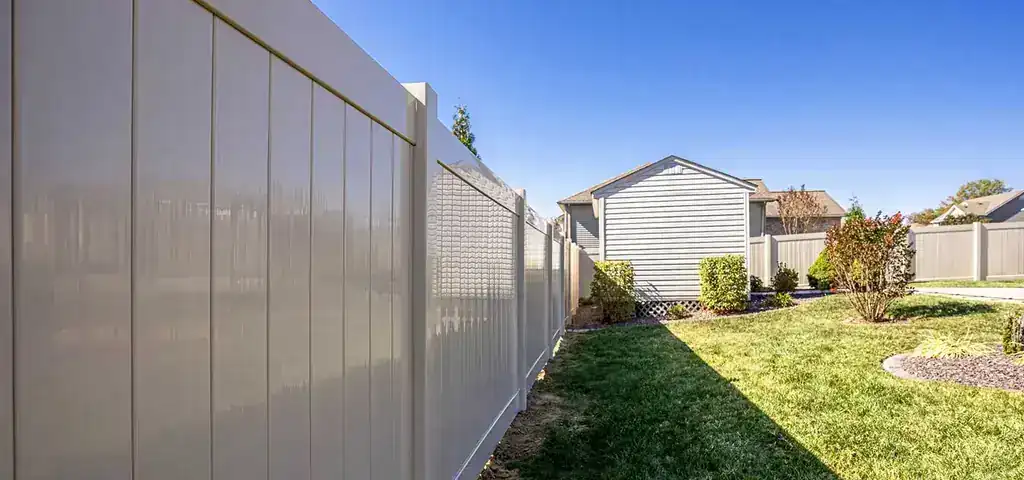
A homeowner building their own fence has one advantage a crew does not: no rush. That advantage disappears fast if the materials are wrong, because a DIY fence project usually only gets one trip to load the truck, and a second trip for the part that got missed costs a weekend, not an afternoon.
Reading the Property Line First
A fence built even a foot onto a neighbor's side of the property line is a problem that outlasts the fence itself, so confirming where the actual line sits, not just where an old fence or a row of trees seems to suggest it sits, is worth doing before any materials get bought. Older surveys and plat maps can disagree with what is physically on the ground after decades of mowing and landscaping have blurred the original line. Getting that answer settled first avoids a rebuild later if a boundary question ever comes up.
Measuring Before You Buy
Fence panels and post spacing are sold to standard dimensions, and a property line that runs a few inches off standard spacing at the end will leave an owner cutting panels or resetting a post. Measuring the full run first, including any slope, and deciding post spacing before buying anything is the step that gets skipped most often, and it causes the most rework later.
Posts Are Not Optional to Get Right
The post is what actually holds a fence up. A panel or picket that looks identical to a professionally installed one will still lean or heave within a couple of seasons if the post underneath it is undersized, set too shallow, or not set with enough concrete. Post depth needs to clear the local frost line, and post spacing needs to account for wind load on a solid fence, not just an open one. This is the one part of a DIY fence project worth the most caution.
A Straight Line Starts Before the First Post
Setting corner and end posts first, running a string line between them, and only then setting the line posts in between is the difference between a fence that reads straight from the street and one that visibly wanders. Skipping the string line to save time is one of the more common DIY mistakes, because a post that is an inch off plumb barely shows on its own but adds up fast once ten or fifteen posts are in the ground next to it. A post-hole digger or auger rented for a day is usually worth it over hand-digging for anything beyond a very short run.
Hardware That Actually Holds
- Galvanized or stainless fasteners, not plain steel, or they will rust and streak the fence within a season or two.
- Post caps sized to the actual post, not the closest size on the shelf, to keep water out of the top of the post.
- Gate hardware rated for the gate's actual weight, since a light-duty hinge on a heavy gate is one of the most common early failures.
- Concrete mix rated for post setting, not general-purpose bagged concrete, for the depth needed in Oklahoma clay.
Where to Get Advice, Not Just Product
Aaron Fence Co sells materials over the counter to homeowners doing their own installs and to other fence contractors buying in bulk, which means the same counter that sells the post also sees what comes back for warranty or repair. That is useful, because the advice on what to buy comes from watching what actually fails, not just from a spec sheet. Bringing a rough sketch of the property and the fence line, with any slope or obstacles noted, tends to get a more useful answer than a list of part numbers.
None of this makes a DIY fence a bad idea. Plenty of straight, solid fences around Tulsa were built by the homeowner on a weekend. The ones that hold up are the ones where the post work got the same attention as the parts anyone can see once the fence is finished.
When to Call It a Contractor Job
Some projects are still better handed to a crew, even for an owner who is comfortable with tools. A long run on a slope, a fence that has to tie into an existing gate operator, or any job where the property line itself is in question are all places where a wrong guess is expensive to undo. There is no shame in buying the materials, doing the straightforward runs, and bringing in a crew for the one tricky corner. The counter that sold the post is usually the same place that can say honestly which category a given job falls into.
Aaron Fence Co · (918) 228-3088
Call (918) 228-3088More articles
Choosing the Right Fence Material for a Tulsa Property
Seven materials do seven different jobs, and picking the wrong one shows up in five years, not on day one.
What Oklahoma Weather Does to a Fence
A Tulsa fence has to survive triple-digit summers and hard freezes in the same year, and most fence problems trace back to weather nobody planned for.