Farm & Ranch
Farm Fence in Tulsa County
Barbed wire, woven wire, high tensile, electric, post and rail and pipe fencing, built and set by the same yard that has worked South 33rd West Avenue since 1959.
A fence line that has to do more than mark a boundary
A farm fence in the Tulsa area is usually asked to do several jobs at once. It has to contain livestock and keep them from escaping onto a road or a neighbor's land, protect stock from predators and other unwanted wildlife working the fence line at night, and mark the actual property boundary in a way that holds up when a survey or a sale comes along. Aaron Fence Co carries the full range of agricultural wire and fixes it to the type of animal and the shape of the ground, not to whichever roll happens to be on the truck that week. Materials are also sold over the counter on South 33rd West Avenue for owners running their own crew, alongside advice on what to buy for a given pasture.
Grazing management and staying inside the rules
Fence choice on a working farm is often a grazing decision as much as a security one. Electric and high tensile lines get used for rotational grazing, dividing one large pasture into smaller cells so grass has time to recover between grazing periods. A tidy, well kept fence line also does quieter work for the property itself, it protects the land's appearance and its value, and it keeps the operation inside the local agricultural fencing rules that apply to the parcel. None of that is guesswork Aaron Fence hands off, the crew that sets the corners is the same crew that has to explain the choice.
Aaron Fence. Licensed #AC44068 and fully insured. OSHA 10 and 30 certified crews. Call (918) 228-3088.
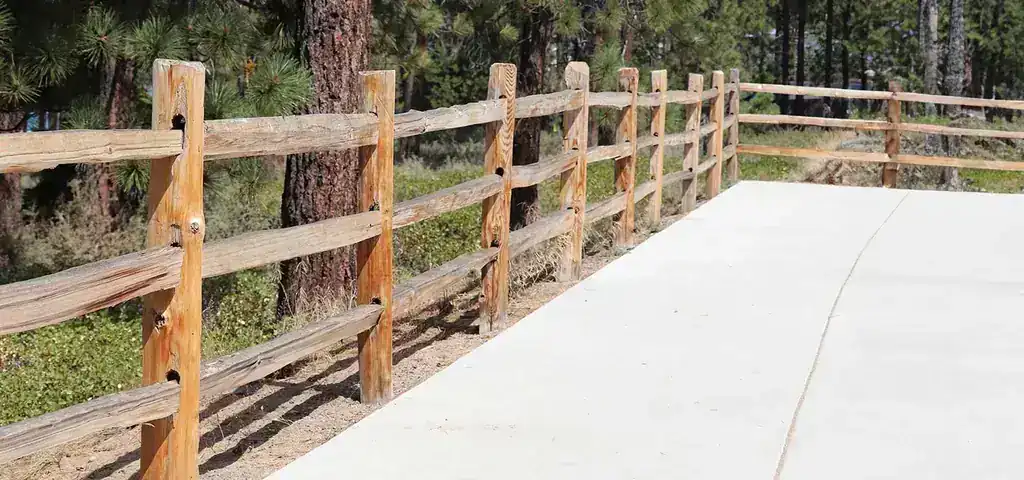
Fence lines Aaron Fence carries for the pasture
Six wire and rail types cover most of what a Tulsa County farm needs, from a cattle perimeter to a hog pen to a driveway that has to read well from the road.
- Barbed wire
- The standard perimeter line for cattle, strung in three to five wires depending on the herd.
- Woven wire
- A tighter mesh for hogs, sheep and goats that would walk straight through a barbed line.
- High tensile
- Smooth wire held under spring tension so a long run needs fewer posts and less upkeep over time.
- Electric
- A psychological barrier more than a physical one, suited to pasture rotation and temporary paddocks.
- Post and rail
- The fence that reads as a boundary from the road, used where the property has to look as good as it holds.
- Pipe fencing
- Welded pipe panels for corrals and working pens, where stock pressure on the fence is heaviest.
Corners, braces and the pull of a long run
A fence is only as good as the corner and brace assemblies holding its tension. On a long high tensile or woven wire run, the corner post carries the pull of every foot of wire behind it, so it gets set deeper and braced differently than a line post. Get that wrong and the whole run sags within a season, no matter how good the wire itself is.
A pasture also needs its own gates, not a residential swing gate dropped into a fence line. Aaron Fence builds and hangs gates as part of the farm job, and handles the automatic side of that work too, covered in full on the gates and gate operators page. Where wildlife pressure is the real problem rather than livestock, adjustable heights and specialised mesh keep deer and smaller animals off a garden or a crop line without turning the whole perimeter into a stockade.
For an owner running the job themselves, the yard on South 33rd West Avenue sells the same posts, wire and hardware over the counter. See the contractor materials page for bulk stock, or call for what a homeowner run needs.